
Wildlife Removal in Texas
A referral line, not a wildlife company. Your ZIP code decides where the request goes; where no operator works at the address, it comes to Local Core Group.
Wildlife removal in Texas starts with a call about what you hear and which part of the house it comes from. The request is passed to an independent operator where one works at your address.
A bat in a room where someone slept is a health matter first. Read the bat page before you do anything with the bat.
What happens after you dial
- You describe itScratching, thumping or squeaking; day or night; attic, wall or chimney. Say if anyone was bitten or woke up near a bat.
- Your ZIP decides the routeWhere an independent operator works at your address, the request goes to that operator. Where none does, it stays with Local Core Group, and you are told so.
- The operator inspectsThe operator who takes the job looks at the house, says which animal it is and how it gets in, and gives the price before starting.
- The job is between you and the operatorThis site does no field work, sets no price and takes no payment from you.
No price appears on this site. State rules on taking and moving wildlife apply to the work, and the operator answers for following them.
Pick the animal, or start with the attic
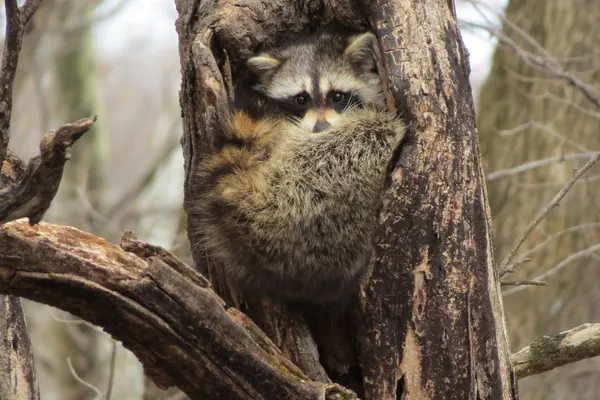
Raccoons
A fur-bearing animal under Texas law, with state rules on taking it and on moving it once caught.
Raccoon removal →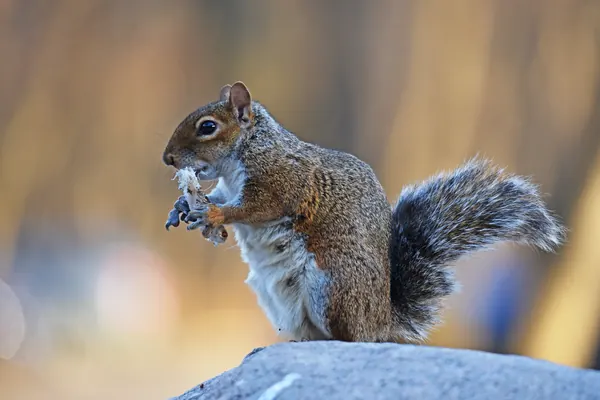
Squirrels
Game animals under Texas law. This page is short, because the state pages read say little about one in a building.
Squirrel removal →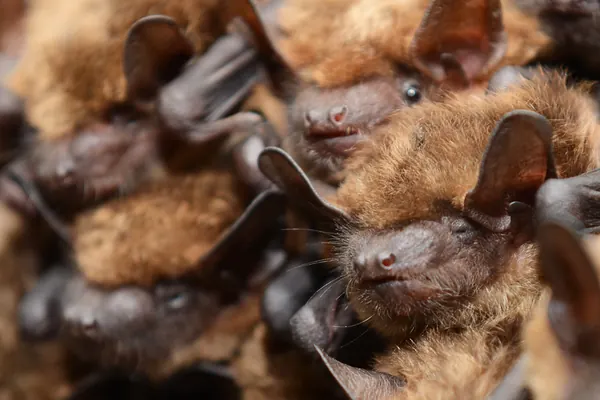
Bats
What to do when a bat is in a room with people, what state law allows, and when pups are in the roost.
Bat removal →Opossums
An opossum inside the house or attic. Yards and decks are outside what this page covers.
Opossum removal →Animals in the attic
Which animals Texas sources place in attics, where rats and birds stand, and what to ask about insulation and chimneys.
Open the page →Animal photos: U.S. Fish and Wildlife Service, public domain.
Out, then closed up
Getting the animal out
Method depends on the animal and the season, and Texas rules differ by animal: a bat may be removed from a building people occupy, while a raccoon or opossum is a fur-bearing animal with its own rules on taking and moving it. The operator explains the method before work starts.
Closing the way in
Dallas Animal Services tells residents to cover attic openings with heavy, rustproof wire mesh and to cap the chimney (page as captured September 28, 2026). Ask the operator which openings they close and with what.
Six places to look from the ground
Walk around the house once before you call and note anything at these six spots. The reason each one is on the list comes from a city or state page.
- Chimney top. Dallas Animal Services describes a chimney with no cap as a way in for raccoons and squirrels (page as captured September 28, 2026).
- Roof vents. A vent is an attic opening. The same Dallas page tells residents to cover attic openings with heavy, rustproof wire mesh and says chicken wire will not do.
- Gable vent. Another attic opening, so the Dallas advice about wire mesh covers it too. Note whether the screen is whole.
- Eaves and overhangs. Texas Parks and Wildlife lists roof overhangs among the places Brazilian free-tailed bats roost.
- Where a roof meets a wall. Dallas tells residents to check the places where the roof and the house join, and to repair rotted boards, warped siding and loose shingles.
- Limbs over the roof. Dallas says overhanging branches give squirrels a way onto the roof.
Look from the ground and stay off the roof. Tell the operator which of these you saw.
Where a Texas call goes
Call 512-434-0107 and give your ZIP code. This site names no operator and does not say that any city or county has one. A request is passed on only where an independent operator works at that address; otherwise it stays with Local Core Group, which runs the site.
State rules apply to this work. Texas treats raccoons, opossums, skunks and foxes as fur-bearing animals, and moving a captured one to another property needs written authorization from Texas Parks and Wildlife. The department sets that out on its nuisance fur-bearing animals page.
City pages
What a city will and will not do about wildlife in a house differs from one Texas city to the next. The lookup gives each city’s own answer and the date its page was read.
One question, answered from the sources
Does Animal Control Remove Wildlife From a Home in Texas?
What Houston, Dallas, San Antonio, Austin and Fort Worth each say about wildlife in an attic or home: what the city will not do, and when it does respond.
Open the guide →Cannot tell what it is
Call and describe the sound, the hour and the part of the house. Naming the animal is the operator’s job, not yours.
Common questions
Who removes a wild animal from an attic in Texas?
A private wildlife operator the owner hires. The five Texas cities read for this site each say city animal services does not trap a healthy animal in an attic. This site passes a request to an independent operator where one works at the address.
Will someone from this site come to my house?
No. Local Core Group runs it as a referral line and does no field work. Where an independent operator works at your ZIP code, that operator calls you, inspects and gives a price.
How a referral works is on the questions page.
Call about the animal overhead
Say what you hear and give your ZIP code. Where an independent operator works at your address, the request goes to that operator.